An open platform for the Afghan diaspora
Facilitating dialogue, reflection, and advocacy among the Afghan diaspora community and key stakeholders for Afghanistan.
Four years of building together
The Berlin Forum for Afghanistan (BFA) is a platform established to facilitate dialogue, reflection, and advocacy among members of the Afghan diaspora community and stakeholders working on Afghanistan. The inclusion of "Berlin" in the name reflects the initiative of the Afghan diaspora in Germany to establish these meetings; the Forum may also convene in other countries.
At present, the Forum is not formally registered as an organization. It operates as an open and flexible platform, striving to bring together a broad spectrum of the Afghan diaspora and to reflect their views. Its activities are coordinated by a volunteer Core Group of up to 11 academics and activists.
Berlin · since 2021
An open, flexible platform — coordinated by a volunteer Core Group of up to 11 members.
Why the Forum exists
A joint platform
Give the Afghan diaspora a shared space to raise their voice and act together.
Collective action
Bring all Afghans together — despite differences — toward decisions on the crisis in Afghanistan.
Strategic dialogue
Connect diaspora communities with German and international policymakers.
Knowledge & advocacy
Produce joint policy papers and advocacy with activists and experts.
Our guiding principles
Collective & consensus-oriented
Decisions are made collectively; where consensus is not reached, a simple majority decides.
Transparency & accountability
We work openly, with mutual respect and a focus on the Forum's collective interest.
Diversity
The Core Group reflects the mosaic of Afghan society in its composition.
Voluntary commitment
All members contribute their time and expertise on a voluntary basis.
The Core Group
The Forum's activities are coordinated by a Core Group of up to 11 activists, researchers, and human-rights advocates. Members serve two-year terms and select a Coordinator each year to organize meetings and follow up on decisions.
Join the Core Group
We periodically open a public call for new Core Group members.
See membership criteriaMeet the Core Group
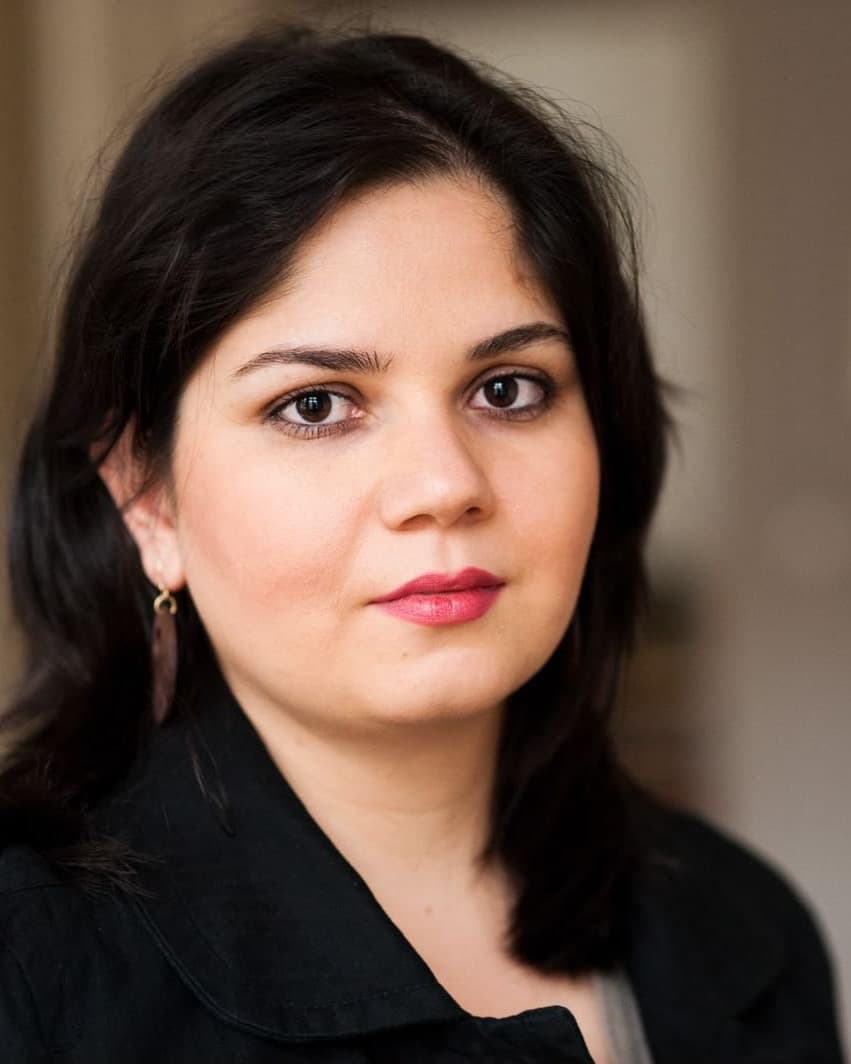
Mariam Meetra
Researcher, journalist and poet
Mariam Meetra is a researcher, journalist, and poet whose work explores gender, communication, feminist resistance, and the experiences of women in Afghanistan. She holds a bachelor’s degree in journalism and a master’s degree in sociology from Humboldt University of Berlin. She is a PhD candidate at Leipzig University’s Institute for Communication and Media Studies.
Her literary work explores memory, exile, and the experience of displacement. Her debut poetry collection, Life on the Margin, was published in Persian in Kabul in 2013. Her second collection, Ich habe den Zorn des Windes gesehen, a bilingual Persian–German volume, was published by Wallstein Verlag in Germany in 2023. Her poems have been translated into several languages.
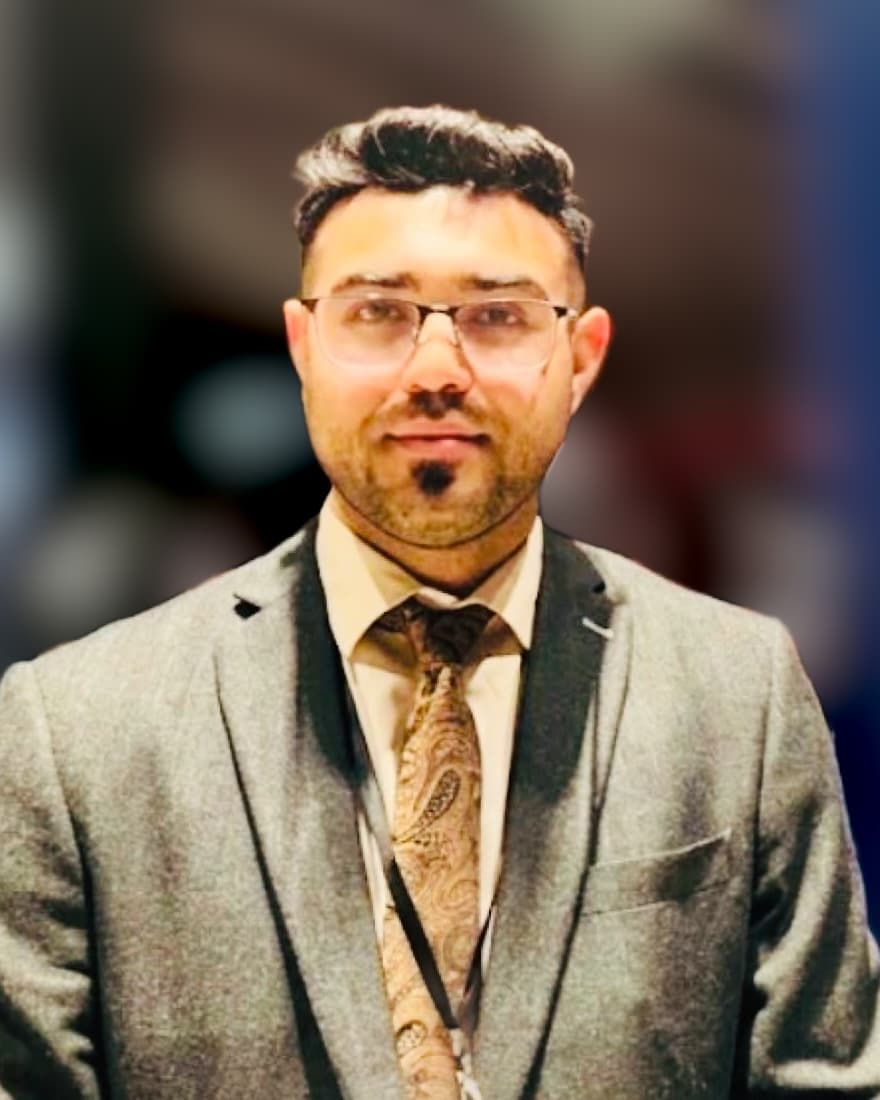
Omid Eztarabi
Human rights advocate · Co-Founder, EU-HOPE
Omid Eztarabi is a human rights advocate and civil society professional with experience since 2016. He is Co-Founder of EU-HOPE, a Berlin-based humanitarian organization, and works with the International Civil Society Action Network (ICAN) and as Social Media collaborator with Hawar help to advance human rights and civil society development.
He has served as Program Manager at the Afghan Women’s Organization for Equality (AWOE), Field Office Manager at the Afghanistan Center for Entrepreneurship and Development (ACED), and held various roles with several other national and international organizations, contributing to women’s empowerment, education, human rights, and community development. He brings expertise in advocacy, negotiation, program management, and intercultural engagement, and is fluent in English, German, Persian, and Pashto.
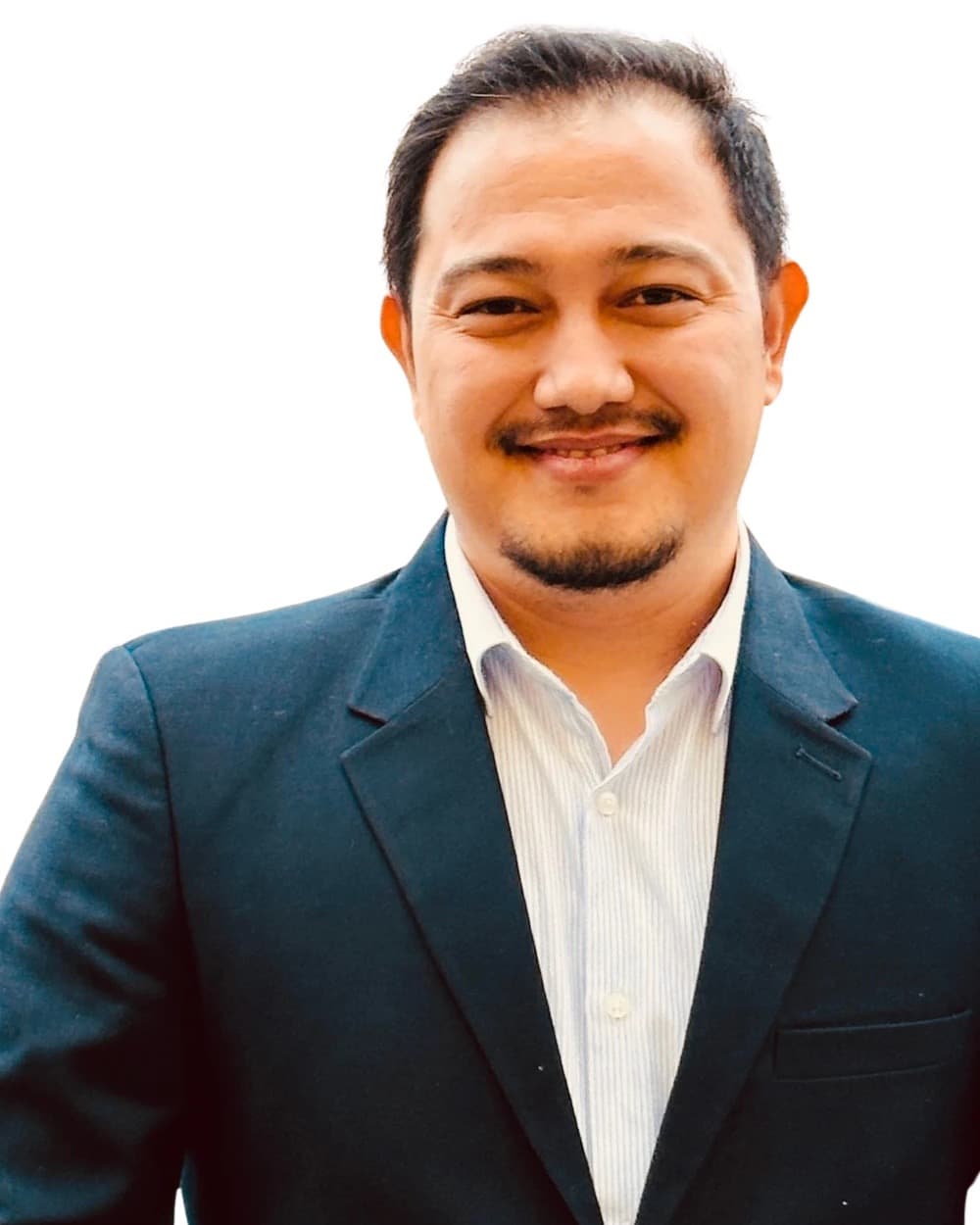
Ali Reza Hussaini
Researcher-practitioner in policy, evidence and social impact
Ali Reza Hussaini is a researcher-practitioner who works at the intersection of policy, evidence, and social impact. He holds an MA in Intercultural Conflict Management from the Alice Salomon University of Applied Sciences Berlin, alongside bachelor’s degrees in Law and Political Science from Kabul University and in Political Science and Public Administration from the American University of Afghanistan.
He brings experience from the Asia Foundation’s policy and research team; the Administrative Office of the President of Afghanistan, where he supported UN experts; and the Afghan Girls Financial Assistance Fund (AGFAF), where he served as deputy country director. He has also held a fellowship with the Center for Information Resilience (CIR). Throughout these roles, he has remained deeply engaged in research and collaborative initiatives. He is currently a PhD candidate at Leipzig University.
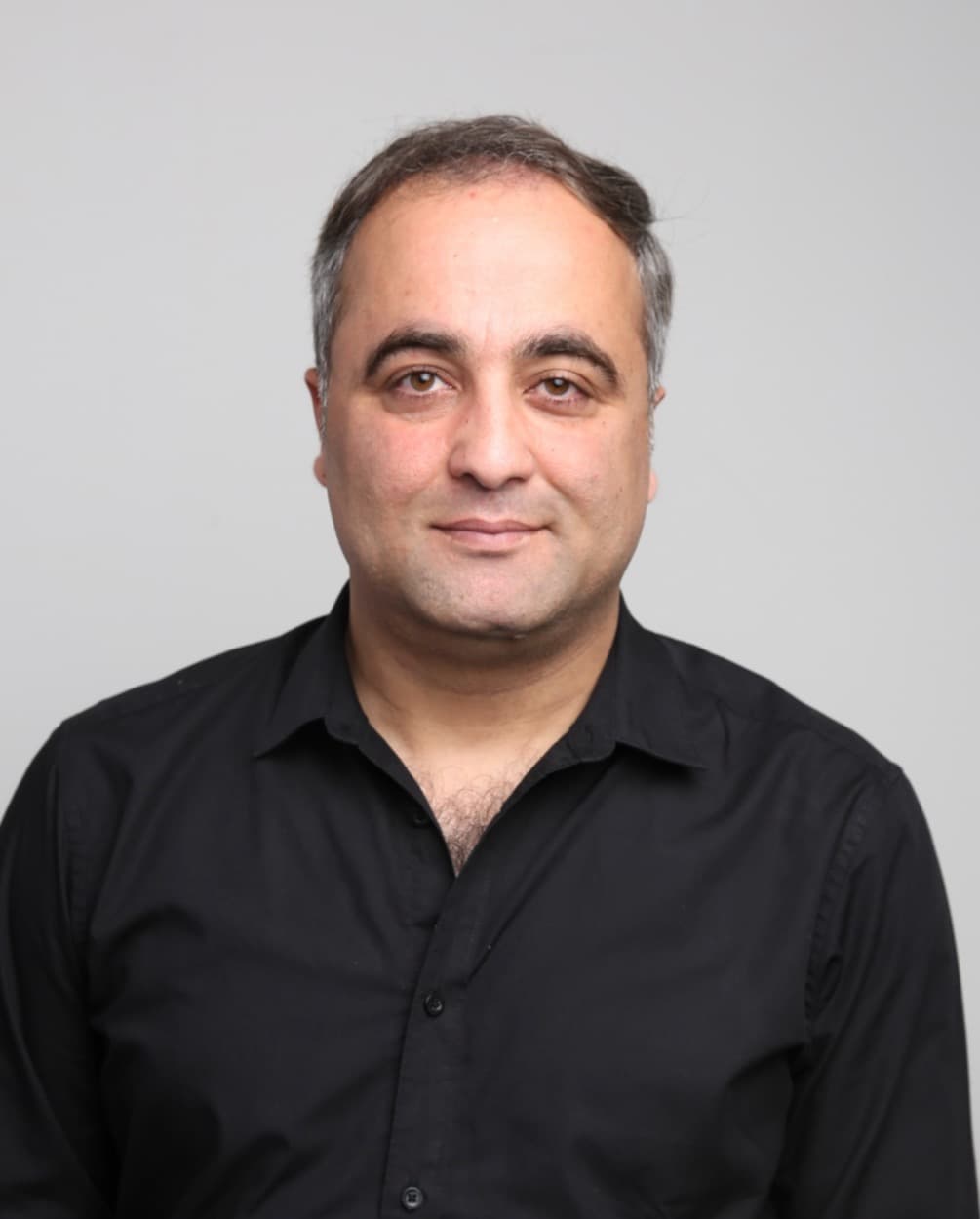
Dr. Musa Aziz
Physician · Director of Programme Development, INSAN Foundation
Dr. Musa Aziz is a physician and Director of Programme Development at the INSAN Foundation for Research and Media. His work covers media, research, and conflict resolution, with a focus on Afghanistan. For about 20 years, he has worked to promote humanist values in Afghanistan.
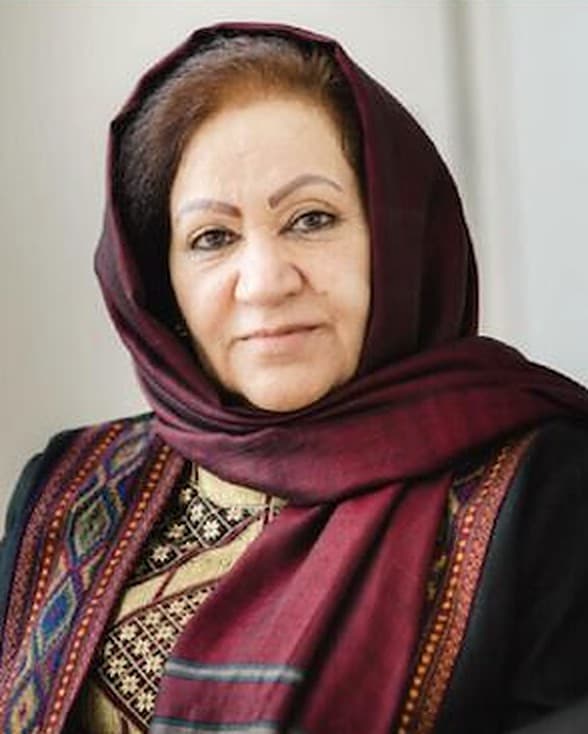
Dr. Soraya Sobhrang
Physician and women’s rights defender · Former AIHRC Commissioner
Dr. Soraya Rahim Sobhrang, born in Herat, Afghanistan, is a human rights advocate and activist. As a Commissioner of the Afghanistan Independent Human Rights Commission (AIHRC), she was responsible for women’s rights protection and development, with a particular focus on eliminating all forms of violence against women, improving women’s access to justice and the judiciary, and building institutions and networks that advocate for women’s rights.
After completing her secondary education, she studied medicine at Kabul University and worked at Aliabad Hospital and Malalai Maternity Hospital in Kabul. She completed training courses in Germany in management, women’s rights development, gender and psychology, and later earned a second degree from the Faculty of Political Science and International Relations in Kabul.
After the Bonn Conference, she became Technical and Political Deputy Minister at the Ministry of Women’s Affairs. In 2005 she joined the AIHRC as an advisor to its Women’s Rights Protection and Development Unit, and in January 2006 she was appointed a Commissioner. She is a member of several national and international associations and has taken part in numerous regional and international conferences.
In 2010 she received the 6th Annual Front Line Award for Human Rights Defenders at Risk, which honours outstanding individuals who put their safety and lives at risk every day to defend the human rights of others.
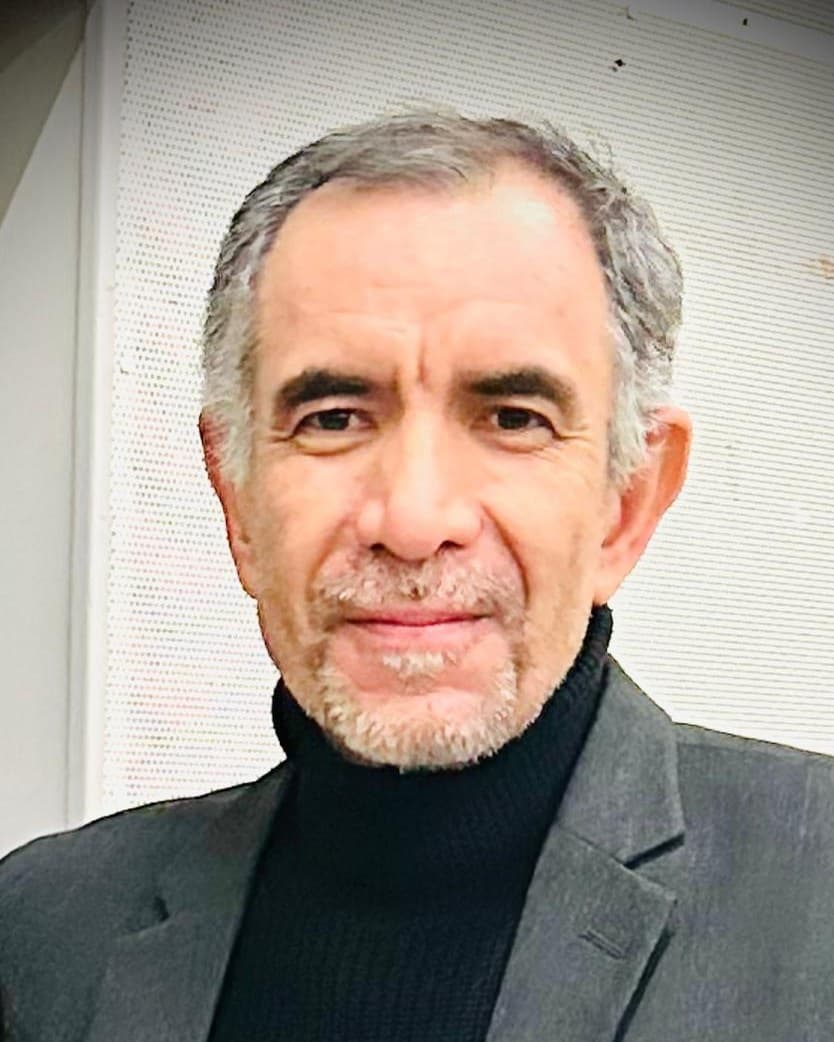
Zia Moballegh
Core Group member
Sajia Behgam
Core Group member
Dr. Harun Mutasem
Core Group member